
Daily Meal Planning for Men's Health
Discover how structured meal planning can support your health goals, energy levels, and overall wellness through informed nutrition choices.
The information on this site is for educational purposes only and does not constitute medical advice. Always consult a qualified healthcare professional before making health decisions.
Core Features of Effective Meal Planning
Balanced Macronutrient Distribution
Proper meal planning ensures your daily intake includes the right balance of proteins, carbohydrates, and healthy fats tailored to your activity level and health objectives.
Nutrient-Dense Whole Foods
Focus on whole grains, lean proteins, colorful vegetables, and fresh fruits. These foods deliver essential vitamins, minerals, and phytonutrients your body needs to function optimally.
Portion Control & Calorie Awareness
Understanding appropriate serving sizes helps maintain consistent energy throughout the day and supports your long-term wellness goals without restrictive eating patterns.
Weekly Planning & Meal Prep Organization
Dedicate time each week to plan your meals and prepare components in advance. This reduces stress, saves time during busy weekdays, and keeps you on track with nutritional goals.
Personalized Dietary Preferences
Meal planning adapts to your lifestyle, cultural preferences, and any dietary considerations. Whether you prefer plant-forward options or specific cuisines, structure supports sustainable habits.
Energy & Recovery Optimization
Strategic meal timing and composition fuel physical activity, support muscle maintenance, and promote restorative sleep—all essential components of a comprehensive wellness approach.
Why Daily Meal Planning Transforms Men's Wellness
Men's nutritional needs are distinct, particularly regarding protein requirements for muscle maintenance and micronutrients that support cardiovascular and metabolic health. Structured meal planning addresses these specific needs consistently.
Mental Clarity & Focus
Stable blood sugar from planned meals supports cognitive function and sustained concentration throughout your workday.
Consistent Energy Levels
Strategic snacking and meal timing prevent energy crashes and maintain performance during fitness and daily activities.
Long-Term Sustainability
Planned eating habits become automatic routines, making nutritional consistency effortless over months and years.
Reduced Decision Fatigue
Having meals planned in advance eliminates daily "what should I eat?" decisions and reduces impulse food choices.

Your 5-Step Meal Planning Framework
Assess Your Nutritional Baseline
Evaluate your current eating patterns, identify nutritional gaps, and clarify your health objectives. Consider activity level, work schedule, and any dietary preferences or restrictions.
Define Weekly Meal Framework
Choose 3-4 lunch options, 3-4 dinner options, and 2-3 breakfast variations to rotate throughout the week. Build variety while keeping grocery shopping and prep manageable.
Create Detailed Shopping List
Convert your meal selections into a comprehensive shopping list organized by store section. Include quantities needed and check pantry staples to avoid waste and overlap.
Dedicate Prep Time Session
Set aside 2-3 hours weekly to wash produce, portion proteins, cook grains, and prepare components. Store properly in glass containers for freshness and easy accessibility throughout the week.
Track & Iterate
Monitor how you feel throughout each week—energy levels, digestion, and satisfaction. Note which meals worked well and which to adjust. Refine your plan based on what serves your body best.
Weekly Meal Prep Inspiration

Grilled Chicken & Roasted Vegetables
Lean protein paired with seasonal vegetables, olive oil, and herbs. Prepares 4 servings and stores well throughout the week for quick lunch options.
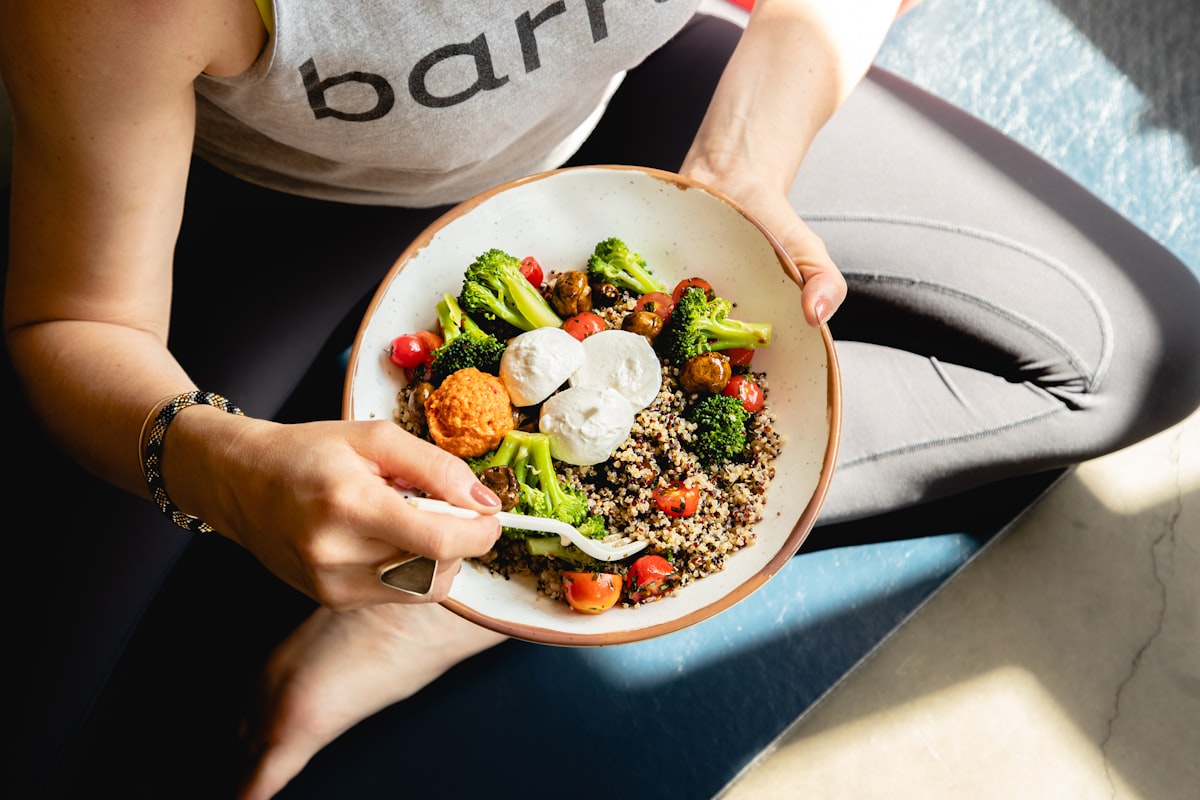
Salmon & Whole Grain Bowl
Wild salmon provides omega-3 fatty acids paired with quinoa or brown rice and nutrient-dense leafy greens. Complete meal ready for 3-4 servings with excellent shelf stability.

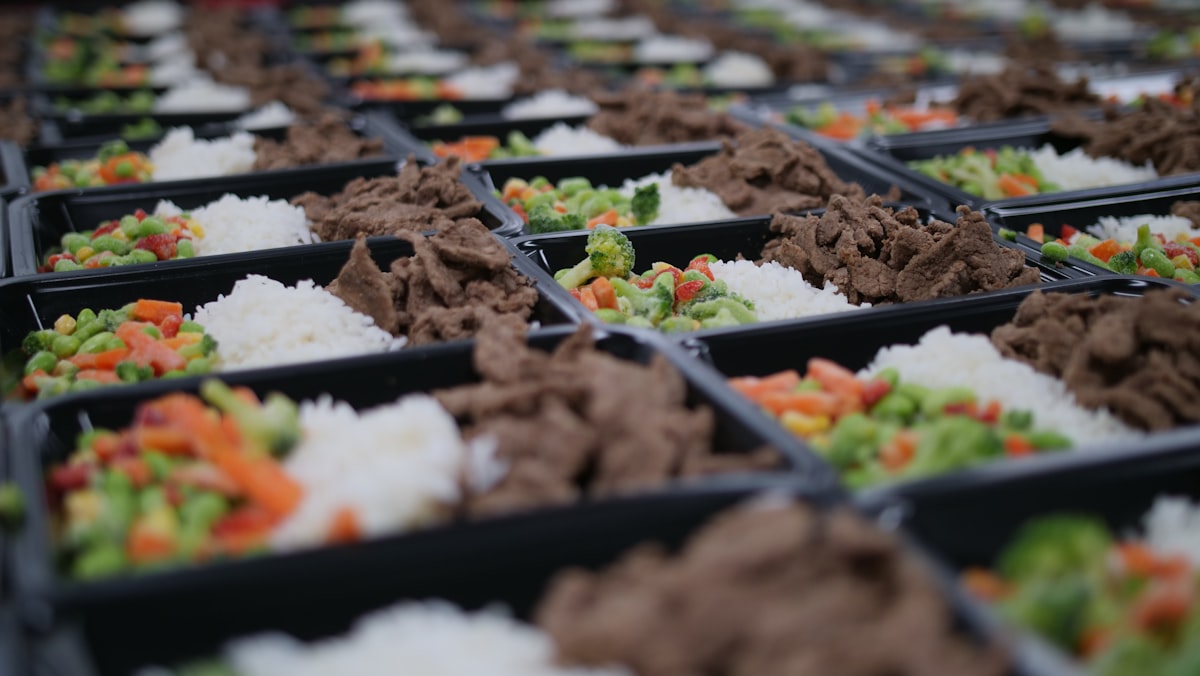
Lean Beef Stir-Fry
Grass-fed beef strips with broccoli, bell peppers, and ginger-garlic sauce. Rich in iron and B vitamins with bold flavor that stays fresh refrigerated for multiple meals.
Turkey Meatballs & Whole Wheat Pasta
Lean ground turkey combined with herbs and whole grain pasta in homemade tomato sauce. Freezer-friendly and delivers sustained energy with abundant micronutrients from tomatoes.

Spiced Chickpea Curry
Plant-based protein from chickpeas infused with warming spices, coconut milk, and vegetables. Vegetarian option that provides complex carbohydrates and fiber for sustained satiety.

Overnight Oats & Greek Yogurt
Convenient breakfast combining rolled oats, protein-rich Greek yogurt, fresh berries, and nuts. Prepare 5 jars Sunday evening for grab-and-go breakfast throughout your busy week.
Structured Planning vs. Unplanned Eating
| Aspect | With Daily Planning | Without Planning |
|---|---|---|
| Nutritional Consistency | Balanced macronutrients and micronutrients daily, aligned with health objectives | Highly variable intake; common deficiencies in key nutrients |
| Energy & Performance | Stable energy from strategic meal timing and balanced composition | Energy crashes and inconsistent performance throughout the day |
| Time Management | Dedicated prep session; quick assembly during the week | Daily decision-making and extended cooking time |
| Financial Efficiency | Strategic shopping reduces food waste and impulse purchases | Higher cost from dining out and discarding spoiled foods |
| Decision Fatigue | Meals predetermined; reduced daily choices and mental load | Constant "what should I eat?" decisions leading to poor choices |
| Long-Term Adherence | Sustainable habits become automatic and effortless over time | Inconsistent behaviors difficult to maintain long-term |
Essential Nutrients for Men's Health
Protein
Essential for muscle repair, recovery, and maintenance. Men typically require 1.2-2.0 grams per kilogram of body weight depending on activity level. Include varied sources: poultry, fish, lean beef, legumes, and dairy.
Top sources: Chicken breast, salmon, Greek yogurt, lentils, eggs
Omega-3 Fatty Acids
Support cardiovascular health, cognitive function, and joint mobility. Target 2-3 servings of fatty fish weekly or supplement with plant-based sources. Research indicates consistent intake supports overall wellness.
Top sources: Salmon, sardines, walnuts, flaxseeds, chia seeds
Complex Carbohydrates
Provide sustained energy and support healthy digestion through fiber. Choose whole grains over refined options to maintain stable blood sugar and enhance satiety throughout the day.
Top sources: Oats, brown rice, quinoa, sweet potato, barley
Vitamin D & Calcium
Critical for bone strength and immune function. Many men have insufficient vitamin D intake, particularly in northern climates with limited winter sunlight. Intentional planning ensures adequate inclusion.
Top sources: Fatty fish, fortified milk, egg yolks, almonds, leafy greens
B Vitamins
Essential for energy metabolism, mental clarity, and stress response. B12 particularly important for men consuming less animal protein. Diverse whole foods ensure complete B-vitamin spectrum.
Top sources: Whole grains, legumes, meat, eggs, mushrooms
Minerals & Antioxidants
Iron, zinc, magnesium, and selenium support immune function, hormone balance, and cellular protection. Colorful produce provides diverse phytonutrients that complement whole-food meal planning.
Top Sources:
Spinach, berries, nuts, seeds, legumes, dark chocolate
What Our Clients Say
Real transformations through balanced nutrition and wellness
"I finally understand how to eat for my goals. The guidance from Bodywellnessnutritionflow transformed my energy levels and body composition in just 12 weeks."
Jessica Martinez
Fitness Enthusiast
"The personalized meal plans made nutrition simple and sustainable. I no longer feel confused about what to eat, and my digestion has improved significantly."
Robert Kim
Health Professional
"After struggling for years, I found a sustainable approach to wellness. The holistic nutrition guidance changed not just my health metrics but my entire lifestyle."
Sarah Lopez
Wellness Coach
Frequently Asked Questions
Clear answers to common nutrition and wellness questions
How do I start with personalized nutrition planning?
What if I have dietary restrictions or allergies?
How long does it take to see results?
Do you offer ongoing support and adjustments?
Ready to Transform Your Nutrition?
Start your journey toward better health, sustainable habits, and optimal wellness today.